
Technology for Emerging Markets
Microsoft Research Blog
Nanotechnology comes to life with needle-based human interface devices
By Noboru Kuno, Research Program Manager, Microsoft Research Researchers at Microsoft and Tokyo’s Keio University have developed systems that could allow people to use tiny, painless needles to do things like monitor medical conditions or…
Video
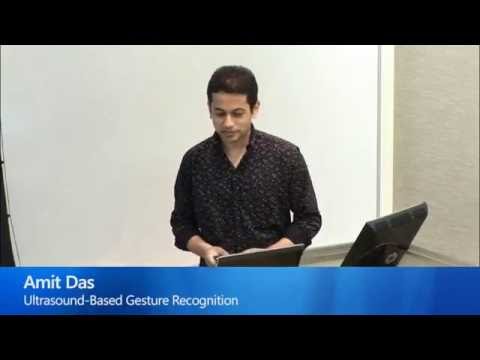
Ultrasound-Based Gesture Recognition
Sensing technologies have been steadily gaining popularity since they can provide useful and complementary data in Human Computer Interaction (HCI) algorithms. In this study, we explore the feasibility of using ultrasonic imaging to recognize hand…
Project
99DOTS
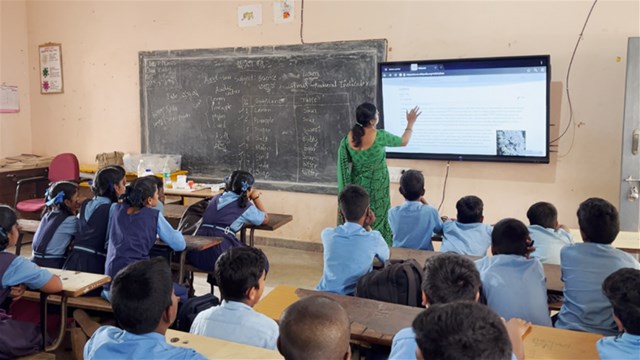
99DOTS is a technology-enabled project focusing on medication adherence for anti-Tuberculosis drugs. Treatment programs wrap each anti-TB blister pack in a custom envelope, which hides phone numbers behind the medication. Patients can only see these…
Microsoft Research Blog
The next 25 years of research: Disruption, invention and an element of surprise
By Allison Linn, Senior Writer, Microsoft Over the next 25 years, research scientists will use technology to better humanity, to make more sense of the world and to use our time more efficiently. We’ll disrupt…
Video
System Design for Cloud Services – Part 2
Intelligent Personal Assistant and its Implication on Future Warehouse Scale Computers Lingjia Tang, University of Michigan-Ann Arbor
Video
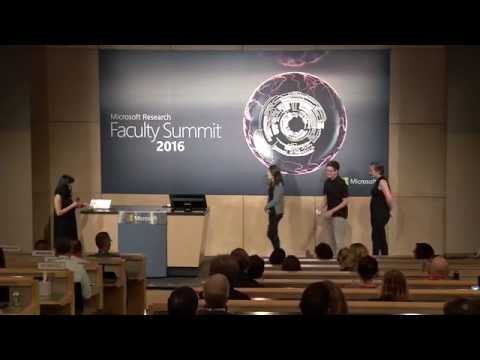
Faculty Summit 2016 – Enabling Breakthrough and Disruptive Technologies
As scientists and engineers we have a deep desire to work on something that will have a big (positive) global impact. The question is: are we doing this? Are enough of us engaged in research…
Video
Microsoft Design Expo 2016: New York University
Each year, Microsoft Research sponsors a semester-long class at leading design schools. Students are asked to form interdisciplinary teams of two to four students to design a user experience prototype that solves a real-world problem.…
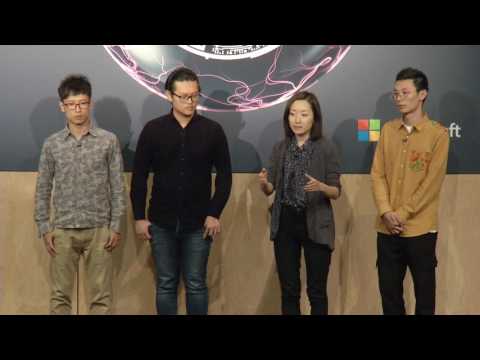
Video
Microsoft Design Expo 2016: Carnegie Mellon University
Each year, Microsoft Research sponsors a semester-long class at leading design schools. Students are asked to form interdisciplinary teams of two to four students to design a user experience prototype that solves a real-world problem.…