
Mathematics
On Characterizing the Capacity of Neural Networks using Algebraic Topology
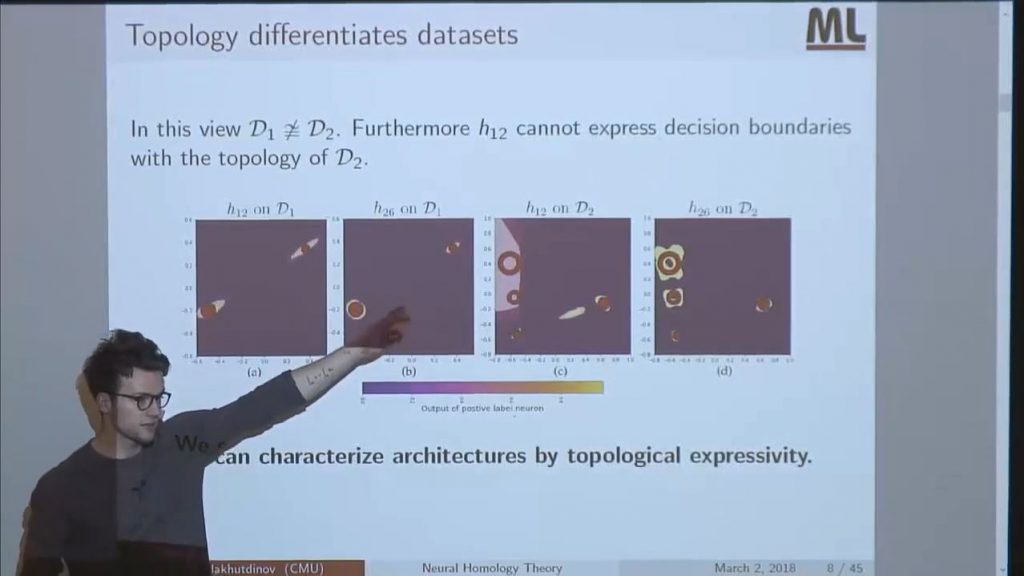
The learnability of different neural architectures can be characterized directly by computable measures of data complexity. In this talk, we reframe the problem of architecture selection as understanding how data determines the most expressive and…
Dense Associative Memories and Deep Learning
Dense Associative Memories are generalizations of Hopfield nets to higher order (higher than quadratic) interactions between the spins/neurons. I will describe a relationship between these models and neural networks commonly used in deep learning. From…
I Chose STEM – Event Recap
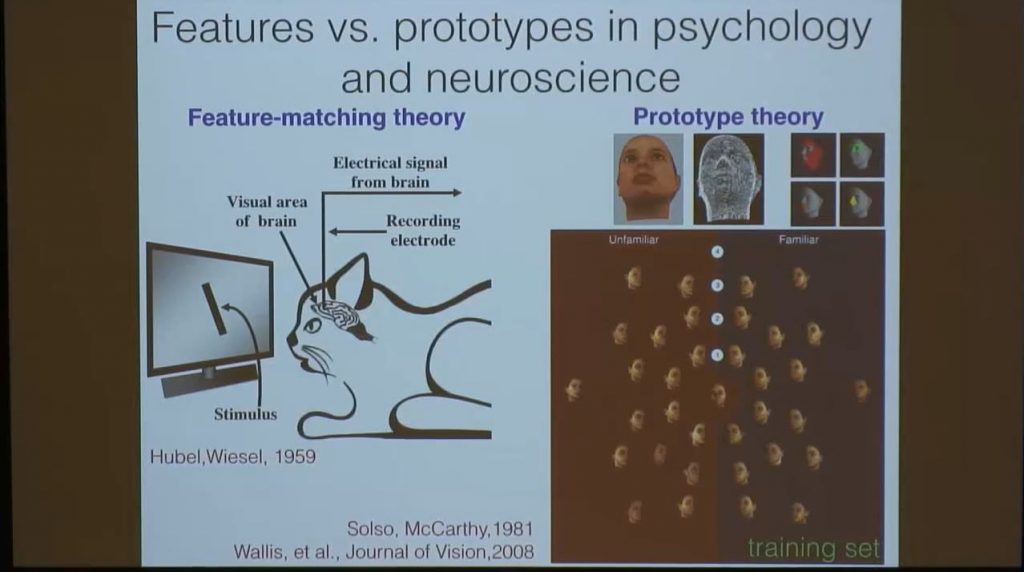
Earlier this week Microsoft Research Montreal celebrated the International Day of Women and Girls in STEM (science, technology, engineering and mathematics) with a one-day symposium: I Chose STEM. More than 200 Canadian STEM students and…
Recent Results on Learning Filters and Style Transfer
In the first part of this talk, I will present recent results on learning image filters for low-level vision. We formulate numerous low-level vision problems (e.g., edge-preserving filtering and denoising) as recursive image filtering via…
Bridging the Gap Between Theory and Practice in Machine Learning
Machine learning has become one of the most exciting research areas in the world, with various applications. However, there exists a noticeable gap between theory and practice. On one hand, simple algorithms like stochastic gradient…
Learning and Efficiency of Outcomes in Games
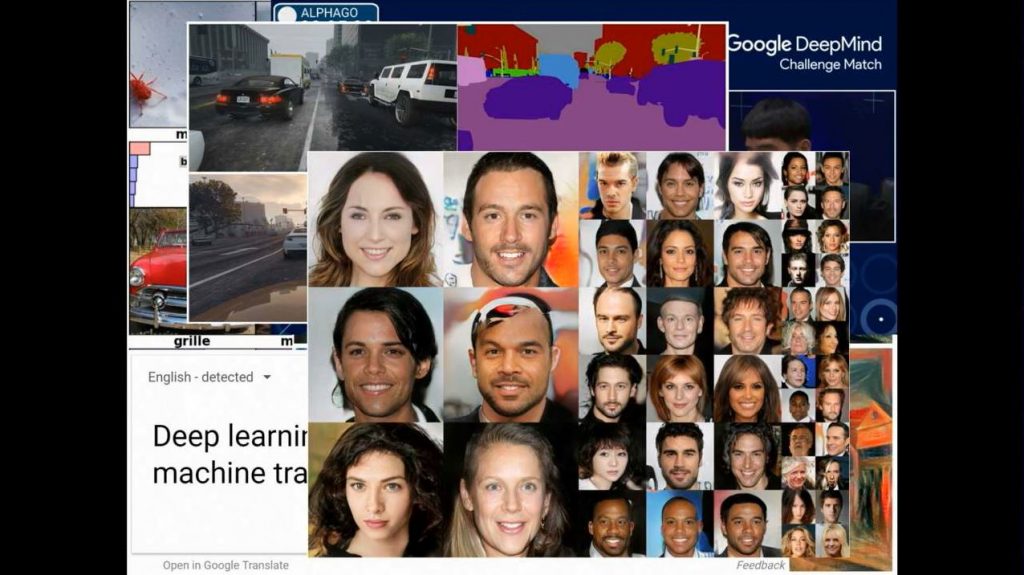
Selfish behavior can often lead to a suboptimal outcome for all participants, a phenomenon illustrated by many classical examples in game theory. Over the last decade, we developed a good understanding of how to quantify…
Learn Artificial Intelligence Skills via Residency at Microsoft
Harness Machine Learning to Improve People’s Lives At Microsoft, we are committed to leveraging the power of Artificial Intelligence (AI) to benefit people and greater society. Advances in AI can be applied to address some…