


Cyber risk is financial risk: Why CFO leadership matters more than ever
Cyber risk is now a financial risk
Cybersecurity is no longer a background IT concern. Cyber risk directly affects enterprise value, regulatory exposure, operational continuity, and an organization’s ability to adopt AI responsibly. These are not abstract technology issues. They are financial realities that now sit squarely within the modern Chief Financial Officer (CFO) remit.
As organizations accelerate digital and AI transformation, finance leaders are increasingly on the front-line assessing impact. Ransomware attacks can halt revenue. Data breaches can trigger mandatory disclosures, regulatory fines, and reputational damage. Weak data governance can stall AI initiatives before they ever deliver value. Cybersecurity has become a defining test of financial leadership.
Leading organizations are beginning to model cyber incidents the same way they model budgets or supply‑chain disruptions — using scenario‑based approaches to understand downtime, response costs, regulatory exposure, and potential impact on cash flow. Framed this way, cybersecurity conversations shift from fear to financial discipline.
Many finance leaders express confidence in their organization’s cybersecurity posture. Yet real‑world incidents continue to expose significant operational, regulatory, and reputational risk.
The expanding role of the CFO in a digital and AI-driven world
As the CFO role has evolved far beyond managing budgets and quarterly performance, today’s finance leaders are stewards of enterprise risk, compliance, resilience, and trust.
That expanded mandate increasingly includes:
- Enterprise risk management and cyber exposure
- Regulatory compliance and disclosure readiness
- Business continuity and operational resilience
- Investment decisions tied to digital and AI transformation
- Governance of sensitive financial and enterprise data
Cyber incidents cut across all of these responsibilities. A major breach can disrupt operations, erode customer confidence, and impact shareholder value. At the same time, regulatory expectations continue to tighten, with increased scrutiny around disclosure timelines, data protection, and governance practices.
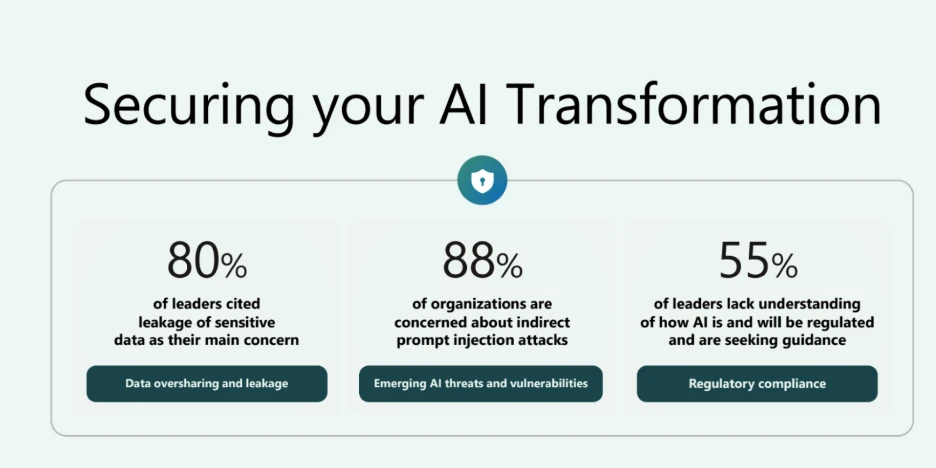
AI adoption raises the stakes even further. As organizations rely more heavily on data‑driven insights, the volume, sensitivity, and strategic importance of enterprise data grows. That balance between supporting innovation and protecting the organization from downside risk becomes harder to maintain when cybersecurity is treated as a purely technical issue.
Why CFO and CISO alignment unlocks better decisions
For many organizations, the shift begins when cybersecurity is treated as part of enterprise risk management — alongside financial, operational, and regulatory risk — rather than as a standalone technical concern.
One of the biggest barriers to effective cybersecurity is the disconnect between finance and security teams. Research shows that translating cyber risks into financial levers — such as revenue continuity, operating margin, cash‑flow timing, and compliance exposure — allow budgeting and prioritization decisions to accelerate. This shared language gives boards and executives something concrete to act on quickly.
Despite the traditional responsibility of CISOs and CFOs, their new shared concerns require a cohesive organizational strategy. When these perspectives are misaligned, decisions slow, investments stall, and risk accumulates.
Organizations that are closing this gap are building stronger partnerships between CFOs and CISOs. In these models, cyber risk is translated into financial terms that are board‑ready and actionable. Investment decisions are guided by business impact and risk reduction, not just technical urgency.
Shared accountability brings clarity. Budgeting becomes more confident. Prioritization improves. Communication with executive leadership and the board becomes more effective. CFO–CISO alignment is no longer optional; it is foundational to making informed decisions about security, resilience, and innovation.
Secure AI depends on governed data
As organizations connect more workflows and data pipelines to AI, the attack surface expands. In many cases, security has become a deciding factor for deploying new AI‑driven processes.
AI introduces powerful opportunities, but it also introduces new risks. AI systems are only as reliable as the data they rely on. Without properly governed and protected data, organizations face increased exposure to compliance failures, financial misstatements, and loss of trust.
For CFOs, confidence in signing off on financials increasingly depends on data lineage, audit trails, and visibility into who accessed data and how it was used. Strong governance reduces surprises after the fact; weak governance raises the risk of undetected manipulation.
Finance leaders understand the importance of data integrity, access controls, auditability, and compliance. These factors directly affect financial reporting accuracy and regulatory obligations. When data governance is weak, AI initiatives slow down, confidence erodes, and value remains unrealized.
Secure AI is not just a technology challenge. It is a governance challenge. When finance and security leaders align on data governance, organizations reduce risk, meet regulatory expectations, and unlock the full potential of AI. As a result, boardroom conversations are shifting—from asking whether systems are protected to whether the organization is prepared to operate safely in an AI‑driven environment.
Where Microsoft fits into the conversation
Technology alone is not the answer. The real impact comes from leadership alignment, clarity of outcomes, and a shared commitment to secure and governed data. IDC describes frontier firms as organizations that treat AI as an operating model—embedding security, governance, and financial oversight from the start to move faster while remaining resilient.
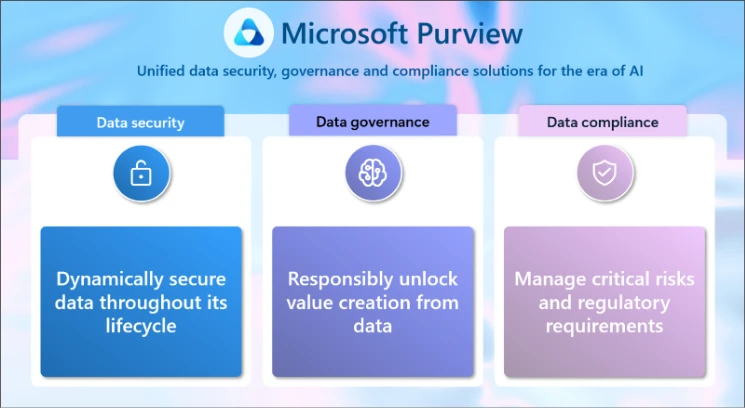
Solutions like Microsoft Purview help organizations understand, protect, and govern their data, supporting compliance and reducing risk while enabling responsible AI adoption. But tools are only part of the equation. The difference comes when CFOs and CISOs align around trusted data, resilient operations, and board-level confidence.
In this model, the customer is the hero. Microsoft acts as a trusted partner, supporting finance and security leaders as they build organizations that can innovate securely and sustainably.
The opportunity for CFO leadership
Cybersecurity may once have been managed quietly in the background, but today it is a visible financial leadership challenge shaped by regulation, AI acceleration, and rising expectations from boards and investors.
CFOs have a clear opportunity to reframe cyber risk as financial risk, strengthen alignment with security leaders, and build confidence in the data foundations required for secure AI adoption. By elevating cybersecurity into enterprise risk management and strategic planning, finance leaders can help shape a future defined by trust, resilience, and responsible innovation.
The stakes are high, and so is the influence of the CFO.
Continue the conversation
Explore deeper insights from finance and security leaders on how this shift is playing out in practice, from board‑level conversations to AI readiness decisions.